
Iran has proposed a 30-day framework to resolve its conflict with the United States, signalling a preference for a definitive end to hostilities rather than extending the current ceasefire. However, US President Donald Trump has expressed scepticism about the proposal’s viability.
According to Iranian state-linked media, Tehran’s 14-point plan responds to a previously submitted US nine-point proposal. It calls for a complete cessation of the war, lifting of US sanctions, withdrawal of American forces from the region, an end to naval blockades, and a halt to all hostilities – including Israel’s operations in Lebanon.
The proposal was reportedly conveyed through Pakistan, which has previously facilitated indirect talks between the two sides.
Donald Trump, who earlier rejected a similar Iranian proposal this week, said he is reviewing the latest offer but questioned whether it could lead to a breakthrough. Despite the uncertainty, diplomatic engagement continues, and the fragile three-week ceasefire remains in place.
On Sunday, Iran’s Foreign Minister Abbas Araghchi held discussions with Badr al-Busaidi of Oman, who has mediated earlier negotiations.
Separately, Trump proposed reopening the strategically vital Strait of Hormuz, through which roughly 20 per cent of global oil and gas trade passes.
Iran Maintains Hardline Position on Strait of Hormuz
Iran has reiterated its firm stance on control over the Strait of Hormuz, rejecting any return to pre-war conditions.
Deputy parliament speaker Ali Nikzad, speaking during a visit to Larak Island, said Iran would not compromise on its position.
“The Strait of Hormuz belongs to the Islamic Republic of Iran,” Nikzad stated, adding that Tehran is working to compensate businesses affected by the conflict. He also dismissed the effectiveness of the US naval blockade.
Iran has indicated that non-US and non-Israeli vessels may pass through the strait upon payment of a toll – a move Washington has warned could trigger sanctions, including penalties for payments made via digital assets.
The strait has been a flashpoint since February 28, when Iran began targeting vessels following the outbreak of war with the US and Israel. In response, the US imposed a naval blockade on April 13, significantly restricting Iran’s oil exports.
Iranian Rial Continues to Slide Amid Economic Strain
Economic pressures in Tehran are intensifying as the Iranian rial continues to depreciate.
On Sunday, the currency traded at approximately 1,840,000 rials to the US dollar in Tehran’s Ferdowsi Street – the country’s main foreign exchange hub. This marks a sharp decline from 1.3 million rials per dollar in December, which had already triggered widespread protests.
Market instability persists, with rising prices and reports of job losses. Several factories have reportedly not renewed worker contracts following the Iranian New Year.
Yousef Pezeshkian, adviser to President Masoud Pezeshkian, said both Iran and the US view themselves as victors in the conflict, reducing the likelihood of immediate compromise.
Nobel Committee Urges Medical Care for Jailed Laureate
The Norwegian Nobel Committee has called on Iran to urgently provide medical treatment to imprisoned Nobel Peace Prize laureate Narges Mohammadi.
The committee said Mohammadi’s health has deteriorated sharply and warned that her life is at risk without specialised care. She reportedly fainted twice in prison in Zanjan on Friday and was hospitalised. Her lawyers believe she suffered a heart attack in late March.
“Narges Mohammadi is imprisoned solely for her peaceful human rights work. Her life is now in the hands of the Iranian authorities,” said Nobel Committee chair Jørgen Watne Frydnes.
Mohammadi, 53, was awarded the Nobel Peace Prize in 2023 while in prison. She was rearrested in December during a visit to Mashhad and sentenced to an additional seven years.
(With inputs from Agencies)
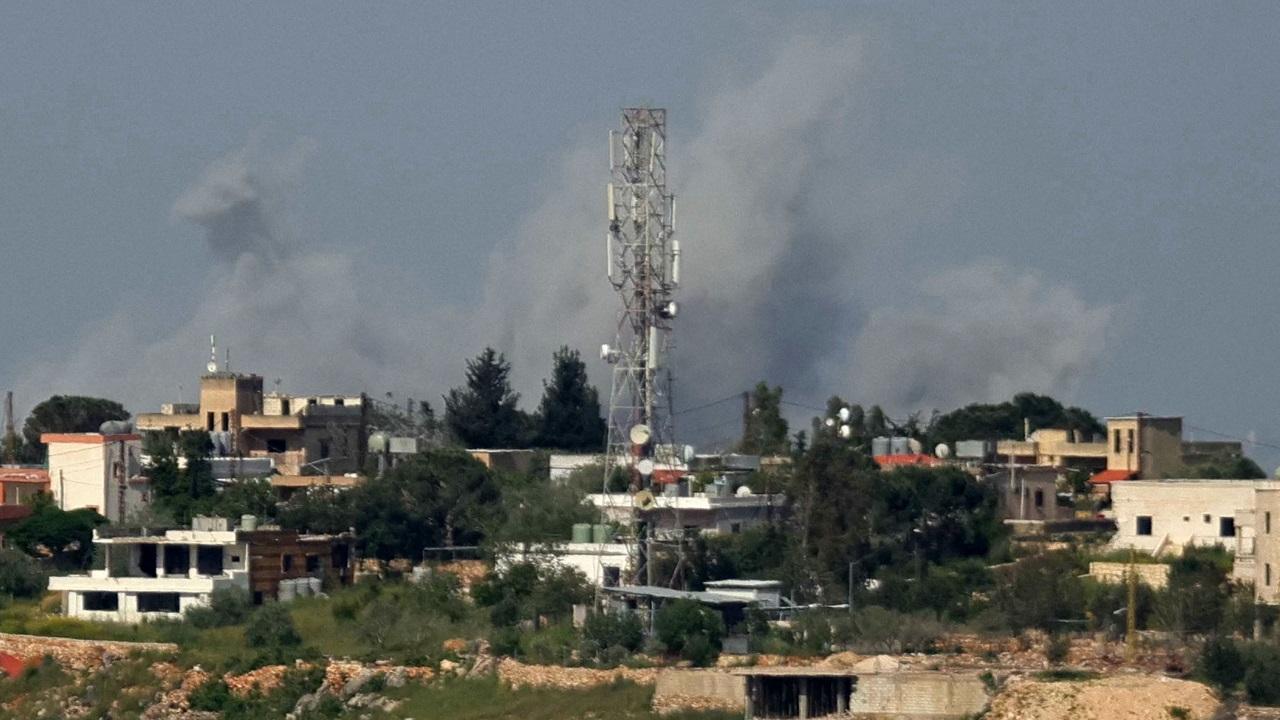
US-Israel-Iran war highlights: Iran pushes 30-day resolution plan
