
Iranian state television said on Wednesday a draft framework deal with the United States (US) included a commitment to lift the naval blockade on Iran, restore traffic through the Strait of Hormuz and the US to withdraw its forces from the Gulf region, news agency AFP reported.
Tehran and Washington have in recent days been swapping proposals to end the war, which broke out on February 28 and engulfed the Middle East, while a fragile ceasefire has been in place since April 8.
The report cited what it described as a draft outline of a potential memorandum of understanding, while noting that the text was “still not finalised”.
Iran has since kept a tight control over the strategic Strait of Hormuz, a vital global energy conduit, while the US has imposed a naval blockade on Iranian ports and coasts since April 13.
“The United States has committed itself to lifting Iran`s naval blockade and to cease harassing ships passing to or from the Islamic Republic of Iran,” the state TV report said.
In return Iran would allow commercial shipping through the Strait of Hormuz to resume as it had before the war within one month, according to the draft.
The draft says Iran would continue to manage shipping lanes, inspect vessels, and impose service fees on ships — measures which have only been imposed since the war.
Iran`s commitments would not apply to military vessels, and Tehran had not agreed “to unconditionally reopen the strait,” it added.
On the withdrawal of US troops from the region, the draft said Washington had given “a commitment to the Islamic Republic of Iran regarding this issue”.
It added that it remained unclear whether the commitment referred only to forces deployed before and during the war, or if it also included existing US military bases in the Gulf.
Following agreement on the framework, Tehran and Washington would enter a 60-day negotiation period, the draft said, without specifying which issues would be discussed.
“If negotiations reach a final agreement during the 60-day period, this agreement is expected to be approved by a binding resolution of the United Nations Security Council,” it added.
Uganda shuts DRC border over Ebola outbreak
Uganda shut its border with the Democratic Republic of Congo on Wednesday in a bid to contain the Ebola outbreak that has hit its neighbour, the health ministry announced.
The east African country has recorded seven cases of the Bundibugyo strain of Ebola since the outbreak was identified in the DRC on May 15.
“Uganda is temporarily closing the border with the DRC with immediate effect,” health ministry permanent secretary Diana Atwine told reporters.
“The only exceptions are for authorised Ebola response teams, humanitarian operations, food and cargo transportation, and security under strict health screening and monitoring protocols,” she said.
Atwine also announced a 21-day quarantine for anyone arriving from the DRC, under the supervision of the Ministry of Health and district surveillance teams, and regular checks for pupils at schools near the border.
There have been more than 220 suspected deaths and 900 suspected cases in the DRC, according to official figures, in what the World Health Organization has declared an international emergency.
Oil prices slide on US-Iran deal hopes as Trump’s Gaza reconstruction fund remains empty
Oil prices tumbled Wednesday as investors tracked signs that the US and Iran were closing in on a deal that would open up the Strait of Hormuz to Gulf crude shipments and avoid a resumption of the Mideast war.
Both Brent crude futures, the international benchmark, and the US West Texas Intermediate contract were down around four percent.
“The hope will be that this is finally the week when a real breakthrough is achieved, but should negotiations fail then we could see market patience wear thin,” said AJ Bell investment director Russ Mould.
He cautioned, however, that “Even if an agreement is reached, it will take time to get energy infrastructure fully back online and shipments flowing through the Strait of Hormuz at anywhere near pre-war levels.”
Washington, United States: US President Donald Trump`s Board of Peace has no cash in its official Gaza reconstruction fund, despite member countries pledging billions of dollars, a source familiar with the board told AFP on Wednesday.
Trump first conceived of the board to rebuild Gaza, where Israel and Hamas agreed to a US-backed ceasefire in October in a bid to halt two years of devastating war.
Trump’s Gaza reconstruction fund yet to receive donor money despite billion-dollar pledges
But he quickly raised eyebrows by sending out wide invitations, including to Russian President Vladimir Putin and to countries far removed from traditional Middle East diplomacy.
Since the board was set up, its fund — administered by the World Bank and endorsed by the United Nations — has received no money from donors, the source familiar with the Board of Peace told AFP.
The source said money had not been deposited because the fund was designed for the reconstruction and development phase, which has not yet been reached.
Israeli military operations in Gaza have continued despite the ceasefire, with at least 910 people killed since then, according to the territory`s health ministry.
Israel still retains control over 60 percent of the Gaza Strip, including all entry and exit points, while the population is concentrated on the coast.
(With AFP inputs)
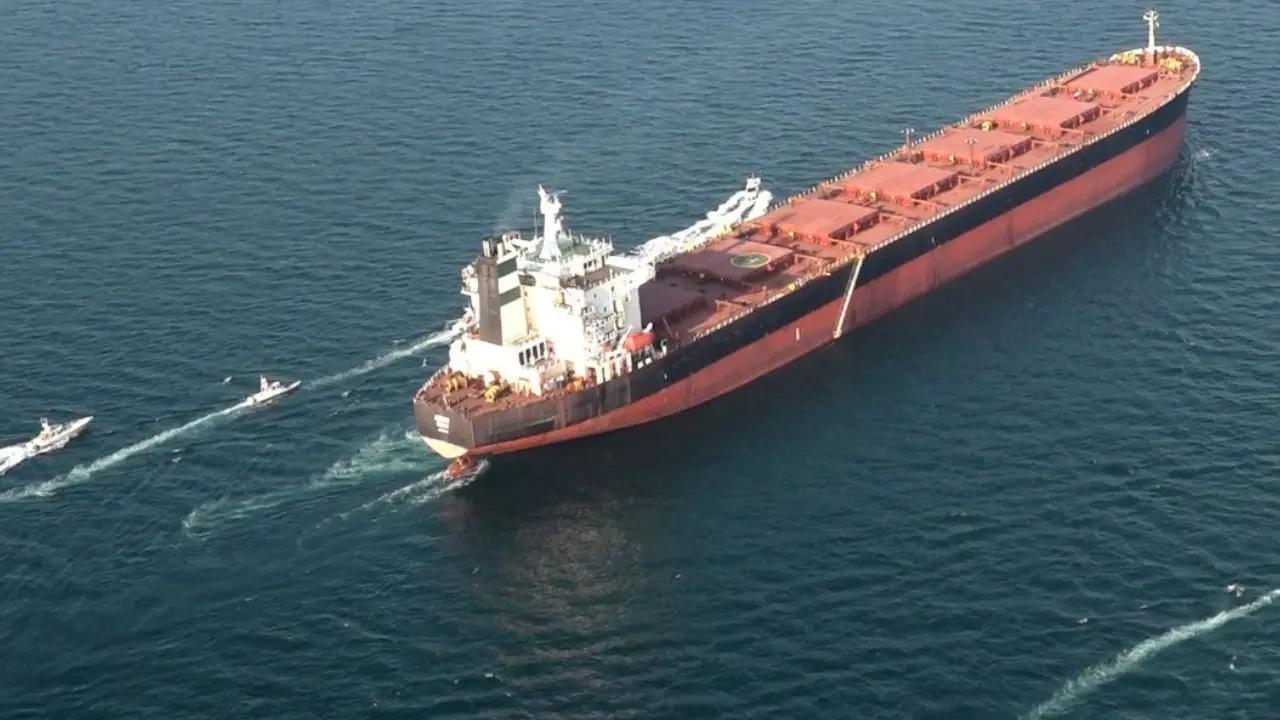
Global roundup: Iran draft deal proposes Strait of Hormuz reopening
