
The Donald Trump administration has outlined three non-negotiable conditions for any future agreement with Iran, with US Treasury Secretary Scott Bessent stating that Tehran must surrender its stockpile of highly enriched uranium, abandon any pursuit of nuclear weapons and ensure unrestricted navigation through the Strait of Hormuz.
Bessent made the remarks during a White House briefing on Wednesday as discussions between Washington and Tehran continued amid heightened regional tensions and ongoing diplomatic efforts.
US sets clear benchmarks for agreement
Addressing reporters, Bessent said the Trump administration`s position had been clearly defined by the president and would form the basis of any potential agreement with Iran.
“The teams have been going back and forth,” Bessent said, referring to ongoing negotiations.
He reiterated the conditions that Washington considers essential before any deal can move forward.
“Iran has to turn over their highly enriched uranium. They cannot pursue a nuclear weapon. And the Strait of Hormuz has to have free transit. Navigation of the seas has to be free and open as it was before,” Bessent said.
He added that Trump would not agree to terms that fail to meet US expectations.
“He’s not going to take a bad deal. He’s going to make a great deal for the American people,” the Treasury Secretary said.
Administration avoids confirming reports of tentative deal
Bessent repeatedly declined to confirm media reports suggesting that a preliminary understanding may already have been reached between the two sides.
Reports have indicated that discussions could include a temporary extension of a ceasefire arrangement and the continuation of nuclear negotiations for a fixed period.
However, when asked whether such an agreement had already been finalised, Bessent avoided providing specific details.
“Everything depends on what the president wants to do,” he said.
“It’s always a mistake to get out ahead of the president.”
His remarks suggested that negotiations remain fluid and that no final decision has yet been announced by the White House.
Sanctions relief linked to Iranian concessions
The Treasury Secretary also indicated that any discussion on sanctions relief would depend on Iran first meeting Washington’s core demands.
According to Bessent, the administration is not prepared to offer concessions unless Tehran demonstrates tangible progress on the issues outlined by the United States.
“Nothing is going to be on the table until we see the Strait of Hormuz open and the Iranians agree that they have to turn over the highly enriched uranium and that they can’t have a nuclear programme,” he said.
The comments reflect the administration’s strategy of maintaining economic pressure while pursuing diplomatic engagement.
Trump administration claims pressure campaign is working
Bessent argued that the combination of sanctions, military deterrence and diplomatic pressure had succeeded in bringing Iran back to negotiations.
He claimed that the current talks represented a significant shift compared to previous diplomatic efforts.
“President Trump has done something that no other administration has been able to do. We have gotten the Iranians to talk about their nuclear programme and to perhaps commit to not having one,” he said.
“That has never happened before.”
The administration has consistently maintained that its pressure campaign has strengthened Washington’s bargaining position during negotiations.
Diplomacy preferred, but military option remains
While emphasising the importance of diplomacy, Bessent warned that military action could once again become an option if negotiations fail to produce an acceptable outcome.
“President Trump always prefers a peace deal,” he said.
However, he added that the administration would not rule out stronger measures if diplomatic efforts collapse.
“If President Trump doesn’t think he can get a peace deal, then kinetic is back,” Bessent said, referring to the possibility of military action.
Bessent also claimed that growing pressure on Tehran had complicated decision-making within Iran’s leadership structure.
“The Iranian government, such as it is, is three pillars. It is the elected government, it is the IRGC, and it is the clerics, and they are having trouble communicating,” he said.
The latest remarks come as negotiations between Washington and Tehran continue under close international scrutiny, with the future of Iran’s nuclear programme and security in the Gulf region remaining central issues in the talks.
(With inputs from IANS)
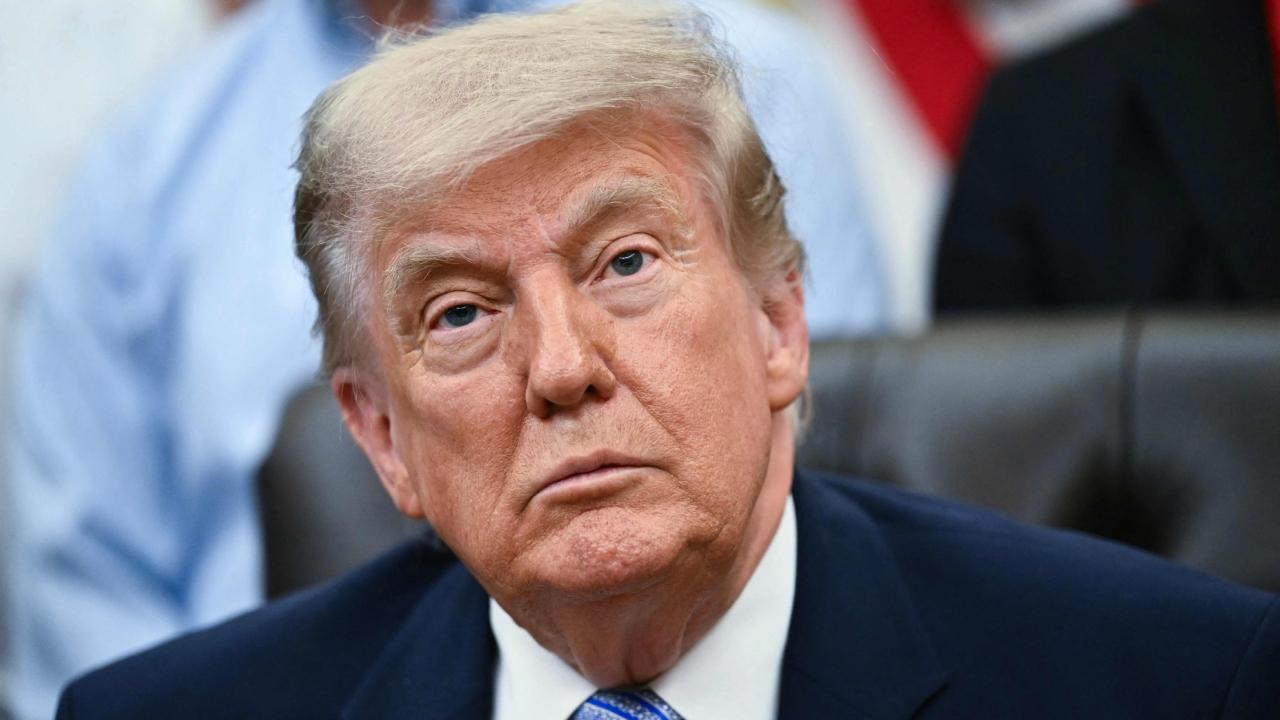
Trump administration sets three non-negotiable conditions for Iran deal
