
US Secretary of State Marco Rubio has said that competition with China has become a central element of nearly every major diplomatic engagement undertaken by the United States, reflecting the growing importance of economic security, supply chains and technological leadership in American foreign policy.
Speaking before both the Senate Appropriations Committee and the House Foreign Affairs Committee, Rubio described China as the most significant long-term strategic challenge facing the United States. He argued that decades of economic integration had created dependencies that now pose risks to both national security and economic resilience.
Critical Minerals at the Centre of Diplomatic Talks
Rubio said discussions on critical minerals have become a recurring theme in meetings with foreign leaders and government officials around the world. According to him, securing access to these resources has become increasingly important as they are essential for industries ranging from electric vehicles and consumer electronics to defence systems and artificial intelligence.
He noted that concerns about supply-chain vulnerabilities, once considered hypothetical, have become more urgent in recent years. The administration, he said, has been working with allies and partner countries to diversify the sourcing, processing and refining of critical minerals.
To advance those efforts, Washington recently hosted a rare earths ministerial attended by representatives from more than 30 countries. Rubio also highlighted a new initiative involving 14 nations aimed at strengthening supply chains linked to artificial intelligence and advanced technologies.
Concerns Over Pharmaceutical Dependence
Another issue raised during the hearings was China`s role in global pharmaceutical manufacturing. Rubio warned that the concentration of pharmaceutical supply chains in a single country could create risks during future geopolitical disputes or international crises.
He told lawmakers that a significant share of active pharmaceutical ingredients used in medicines continues to come from one source, making diversification an important national security objective.
Taiwan Policy and Defence Support
Taiwan also featured prominently during the hearings. Rubio rejected suggestions that the US had reduced its support for Taipei and pointed to a major arms package approved in December as evidence of Washington`s continued commitment.
He said the administration does not consult Beijing regarding arms sales to Taiwan and indicated that an additional defence package remains under review. Rubio also referenced increased Chinese military activity near Taiwan following recent US defence decisions.
China`s Expanding Global Influence
The Secretary also addressed China`s influence in other regions, including Myanmar, where he said Beijing continues to hold considerable leverage over the country`s military leadership. He acknowledged the challenges faced by the US in expanding its influence in the country.
Rubio further expressed concerns about alleged Chinese influence operations overseas, citing reports of activities aimed at monitoring or pressuring Chinese nationals living abroad, as well as efforts to shape political discourse in democratic nations.
Strategic Competition Extends Beyond Security
Beyond diplomacy and security, Rubio highlighted China`s growing dominance in sectors such as shipbuilding and industrial manufacturing. He argued that rebuilding domestic industrial capacity has become an important objective for the United States as it seeks to compete with Beijing over the long term.
China`s relationship with Russia also surfaced during the discussions, particularly in the context of energy trade and proposed sanctions related to Russian oil exports.
India`s Growing Role in US Strategy
Rubio`s testimony underscored a broader consensus in Washington that competition with China now influences nearly every aspect of American foreign policy. The remarks are particularly relevant for India, which has emerged as a key partner in initiatives involving the Quad, critical minerals, advanced manufacturing and supply-chain diversification.
As the United States seeks to reduce dependence on China in several strategic sectors, India is increasingly being viewed as an important economic and geopolitical partner in the Indo-Pacific region.
(With inputs from IANS)
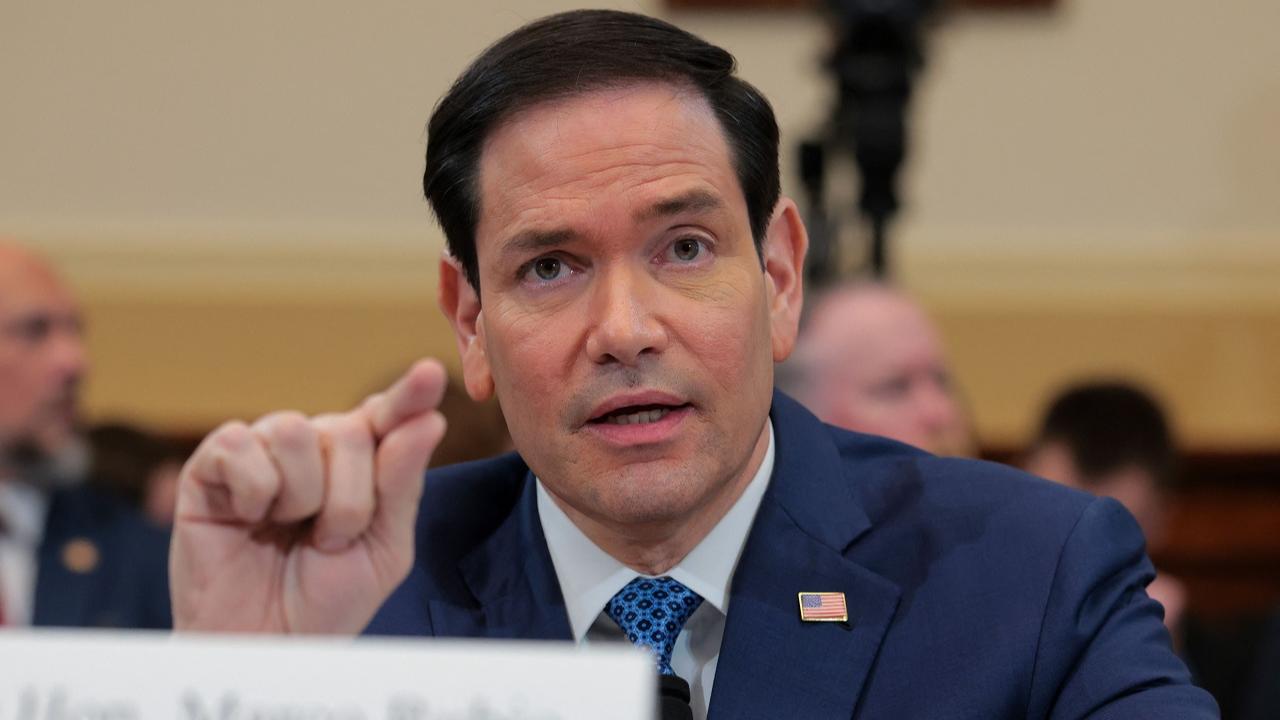
Marco Rubio says China now drives most US foreign policy decisions
