
G20 countries agree that threats to shipping, food supplies and critical minerals demand attention, but remain divided over their causes and solutions, US Secretary of State Marco Rubio said at the close of the Foreign Ministers’ meeting in Atlanta. Rubio described recognition of the problems as a necessary first step.
He stopped short of claiming that the gathering had produced a common approach to resolving them. “Well, the first obstacle in any is to identify what the problems are. If you can’t even agree on what the problems are, you can’t make progress.” The discussions centred on energy, technology, supply chains and freedom of navigation.
Rubio said President Donald Trump had directed the US G20 Presidency to bring the forum back to its core economic purpose. But wars and regional tensions complicated that effort. Rubio pointed to the Russia-Ukraine war, conflict in the Middle East and fighting involving Sudan, Congo and Rwanda as challenges affecting the wider agenda.
Countries recognised the importance of secure supply chains and food supplies, he said. Their differences emerged when they discussed what was causing the disruptions and how governments should respond. Rubio said some participating countries were already working together on supply chains and critical minerals.
He did not present those efforts as a universally accepted solution. Maritime security featured prominently in his account of the meeting. Rubio accused Iran of targeting commercial vessels and said US forces were regularly defending shipping against drones and missiles. He also cited coercion in Asian waterways as a threat to economic activity.
Disruption at sea, he said, could prevent energy, fertiliser and agricultural products from reaching their destinations, with consequences for food security. On the Black Sea, Rubio identified India and Turkey as countries contributing ideas to help shipments move. He welcomed international interest but cautioned against treating it as evidence that an agreement was close.
The same distinction between recognising a problem and solving it ran through his explanation of the wider meeting. Governments could agree that maritime access mattered while disagreeing over the action required to protect it. Asked what the discussions would mean for businesses and workers facing economic uncertainty, Rubio said the G20 addressed long-term challenges rather than immediate changes in household costs.
“But none of these are magic elixirs that happen overnight.” Energy availability, he said, would shape countries’ ability to power their economies. Critical minerals and reliable supply chains would influence access to technology and the cost of goods over decades.
Rubio cited the Covid-19 pandemic as an example of how disruptions in one part of the world could affect prices and availability elsewhere. Climate change was not on the US agenda for the meeting, Rubio said that although Brazil and other countries raised it in their statements.
He also acknowledged that governments discussed geopolitical issues in bilateral meetings on the sidelines. The Atlanta gathering formed part of preparations for the G20 leaders’ summit in Florida in December. Rubio said the Ministerial agenda reflected Trump’s emphasis on economic issues, while leaving time for countries to pursue separate diplomatic discussions.
This story has been sourced from a third party syndicated feed, agencies. Mid-day accepts no responsibility or liability for its dependability, trustworthiness, reliability and data of the text. Mid-day management/mid-day.com reserves the sole right to alter, delete or remove (without notice) the content in its absolute discretion for any reason whatsoever
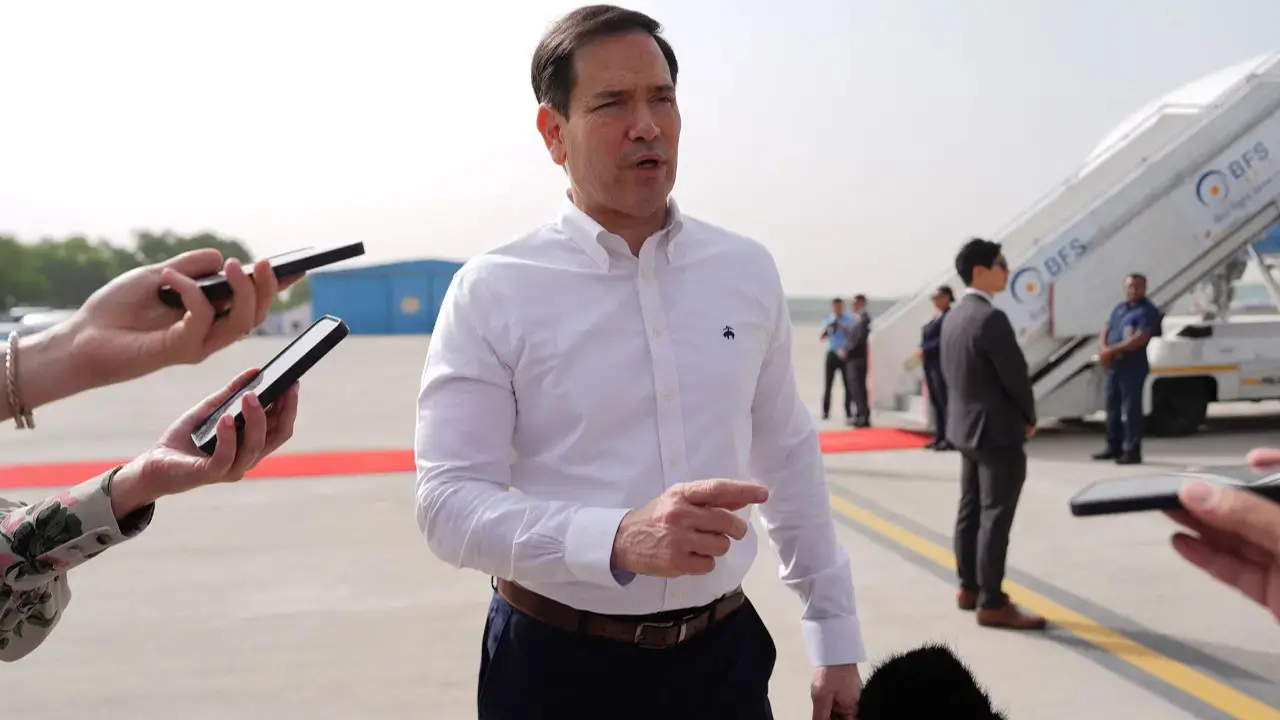
G20 agrees on problems, splits on solutions
