
With a fragile ceasefire agreement between the US and Iran holding for now, China is calculating its role in helping find a durable endgame to the war in the Middle East.
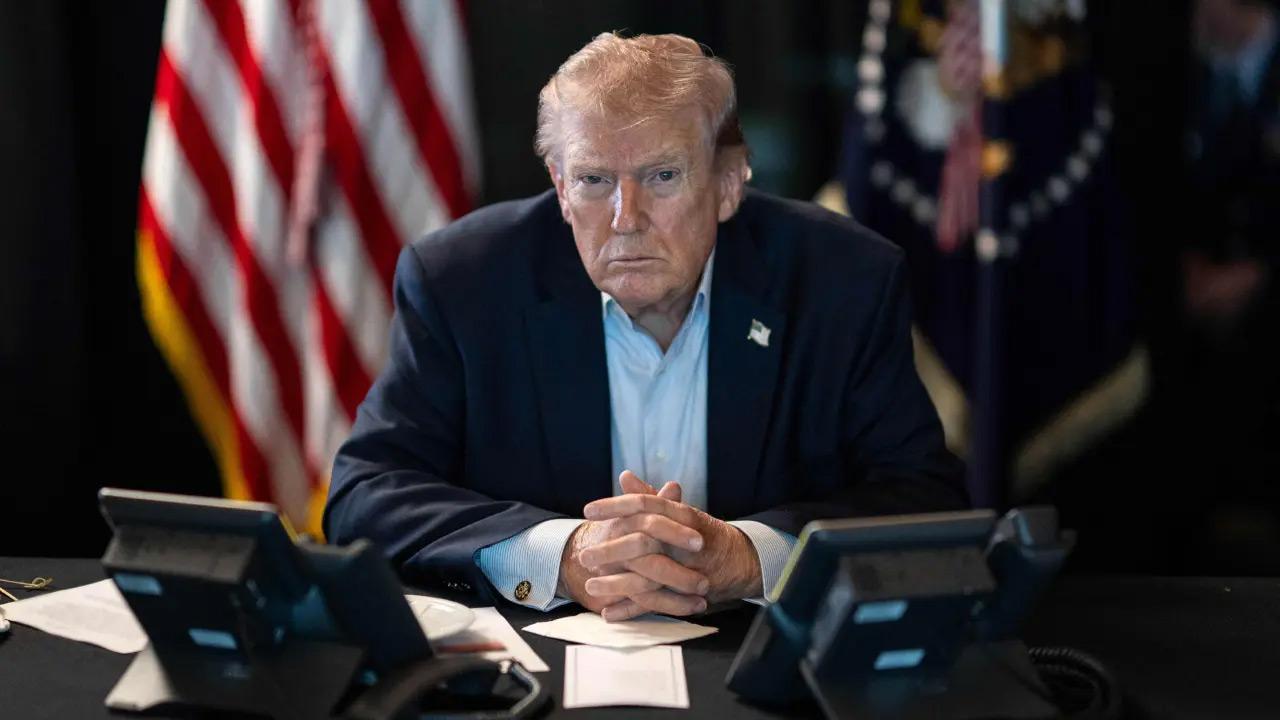
After prodding China, which is more reliant on Persian Gulf oil than the US, to get involved in reopening the choked-off Strait of Hormuz, US President Donald Trump told French news outlet Agence France-Presse this week that he believed China played a part in encouraging Iran to agree to this week`s temporary truce.
Three diplomats who were familiar with China`s behind-the-scenes efforts also confirmed that Beijing, the biggest purchaser of Iranian oil, used its leverage to urge the Iranians back to the negotiating table. It was a major moment for Beijing, which had decried the US and Israel`s war against its economic partner Iran as misguided before getting directly involved in the push to call off the fighting, including discouraging strikes by Iran.
Talks between the sides are expected to begin in Pakistan this weekend. With the precarious truce hanging in the balance, China will now need to make a careful calculation about whether it will tread deeper into the waters of diplomacy as it weighs the impact that a long-lasting war could have on the global economy.
Middle East turmoil goes against Beijing`s interests, while its efforts may boost its global standing and strengthen its hand in negotiating thorny trade issues during Trump`s visit to China next month. “Beijing is not in the business of expending its leverage as a favour to others or for the greater good,” Danny Russel, a former senior diplomat in ex-US president Barack Obama`s administration, said.
Iran war puts pressure on China`s economy
Mao Ning, a Chinese foreign ministry spokesperson, told reporters this week that China “has worked actively to help bring about an end to the conflict”. The Chinese economy is already feeling pressure from Iran`s effective shuttering of the Strait of Hormuz, where about 20 per cent of the world`s crude normally flows. The blockade is having an enormous impact on Asia, a factor that seems to have informed the Chinese government`s efforts to consult with Pakistan to help mediate a two-week ceasefire.
China does not appear interested in providing guarantees for Iran`s long-term security as part of a deal to end hostilities, something Tehran has hoped for and sees as critical to deterring the US and Israel from carrying out strikes in the future. Iran`s ambassador to China suggested this week that its two closest allies â¿¿ China and Russia â¿¿ as well as the United Nations ensure the guarantee, which Tehran has sought before without success.
Asked about that possibility, Mao would only say that “we hope that all parties will resolve their disputes through dialogue and negotiation”. Still, Chinese officials are cognizant that a lasting war threatens to have a real impact on Beijing`s bottom line. Premier Li Qiang announced last month that the government was projecting relatively modest 4.5 per cent to 5 per cent economic growth this year during a property slump and growing uncertainty around the globe. It`s the lowest growth target since 1991.
Ultimately, China`s foremost goal is “growth and development”, according to one of the diplomats familiar with Chinese deliberations on the war. The diplomat, who like the others was not authorised to comment publicly and spoke on condition of anonymity, added that a continued closure of the strait ran counter to that interest. It not only limits the flow of a significant supply of crude to China but also cuts off an important shipping lane for Chinese exports to the Mideast.
How Iran diplomacy could play into Trump-Xi meeting
Trump will likely underscore that argument to Chinese President Xi Jinping during their much-anticipated Beijing summit next month. The talks, which were originally slated for this month, were pushed back so Trump could oversee the US bombardment of Iran.
“That the United States and Iran have at least temporarily edged away from the precipice of a catastrophic escalation owes in part to China`s support for the ceasefire that Pakistan brokered,” Ali Wyne, a senior research and advocacy adviser for US-China relations at the International Crisis Group, said.
“Even if short-lived, that breakthrough affords Beijing another opportunity to present itself as a stabilising force and Washington as a reckless one.” To be certain, China`s view is shaped by a heavy measure of skepticism.
Some in Beijing see Trump`s decision to launch the Iran war, as well as the military operation in January to capture then-Venezuelan president Nicolas Maduro, as being at least partially motivated by his strategy at containing China, diplomats say. Beijing was a major customer and investor in the South American country`s oil industry.
Privately, the Chinese have made clear that the US and Iran would have to show compromise for a deal to coalesce. Beijing is also looking to press Trump to remove sanctions on Chinese companies doing business with Iran as part of a potential settlement, diplomats say.
This story has been sourced from a third party syndicated feed, agencies. Mid-day accepts no responsibility or liability for its dependability, trustworthiness, reliability and data of the text. Mid-day management/mid-day.com reserves the sole right to alter, delete or remove (without notice) the content in its absolute discretion for any reason whatsoever
China weighs role in Middle East peace as US-Iran ceasefire holds
previous post
