
Tensions in the Strait of Hormuz escalated sharply on Friday after US President Donald Trump said he had ordered the military to “shoot and kill” Iranian small boats operating in the strategic waterway, further heightening fears of a wider regional conflict.
The development comes amid an ongoing US-Israel-Iran war that has disrupted global energy supplies and raised geopolitical risks across the Middle East.
Iran Rejects Claims of Internal Divisions
Iranian leaders dismissed suggestions of internal discord following the reported killing of Supreme Leader Ali Khamenei in the early phase of the conflict on February 28.
President Masoud Pezeshkian and Parliament Speaker Mohammad Bagher Qalibaf issued near-identical statements asserting unity within the country’s leadership.
“There are no hard-liners or moderates. We are all Iranians and revolutionaries,” they said.
Despite these claims, questions remain over who holds ultimate authority in Iran’s political and military structure.
Strait of Hormuz Disruption Hits Global Oil Flow
The standoff has effectively choked off exports through the Strait of Hormuz, a critical shipping lane that handles about 20 per cent of the world’s traded oil during peacetime.
Recent incidents include Iranian attacks on vessels and a continued US blockade of Iranian ports. Washington has also significantly increased its military presence, deploying three aircraft carriers in the region – a scale not seen since 2003.
Drones Strike Kuwait Border Sites
Kuwait reported that explosive drones launched from Iraq struck two locations along its northern border on Friday. While the attacks caused material damage, authorities confirmed there were no casualties.
Indonesian Peacekeeper Dies in Lebanon
A United Nations peacekeeper from Indonesia, Corporal Rico Pramudia, died in a Beirut hospital weeks after sustaining critical injuries in an explosion at a UN base in southern Lebanon.
The March 29 blast in Adchit al-Qusayr had already killed another Indonesian peacekeeper. Additional fatalities involving Indonesian personnel have also been reported in the region.
Beirut Residents Call for Broader Ceasefire
Residents in Beirut expressed concern that any ceasefire excluding southern Lebanon would fail to bring lasting peace.
Many linked stability in Lebanon to a broader resolution between Iran and the United States.
“If they reach an agreement, the whole Middle East will be calm,” said resident Joe Ghafari.
Others described the continued conflict in southern Lebanon as unjust, as other parts of the country function relatively normally.
Iran Diplomat Heads to Pakistan for Talks
Iran’s Foreign Minister Abbas Araghchi is expected to visit Pakistan as part of renewed diplomatic efforts to revive ceasefire negotiations with the United States.
Pakistan has been attempting to mediate between the two sides, though progress remains uncertain. Araghchi is also expected to visit Oman and Russia as part of broader regional consultations.
Trump Extends Oil Transport Waiver
In a move aimed at stabilising energy markets, the White House announced a 90-day extension of the Jones Act waiver, allowing non-US vessels to transport oil and natural gas more easily.
The decision follows earlier measures introduced in March and comes as global oil prices remain volatile. Brent crude prices fell to around USD 104 per barrel after the announcement, having earlier surged past USD 107.
Diplomatic Push Continues Amid Rising Toll
Pakistan has intensified diplomatic outreach, urging continued dialogue between Washington and Tehran. Officials emphasised the need for sustained engagement to restore regional stability.
Since the conflict began, at least 3,375 people have been killed in Iran, and over 2,290 people in Lebanon. In Israel, 23 fatalities have been reported, along with additional deaths across Gulf states. Fifteen Israeli soldiers in Lebanon and 13 US service members across the region have also been killed.
Despite ongoing diplomatic efforts, tensions in the Strait of Hormuz remain high, with no clear resolution in sight.
(With inputs from Agencies)
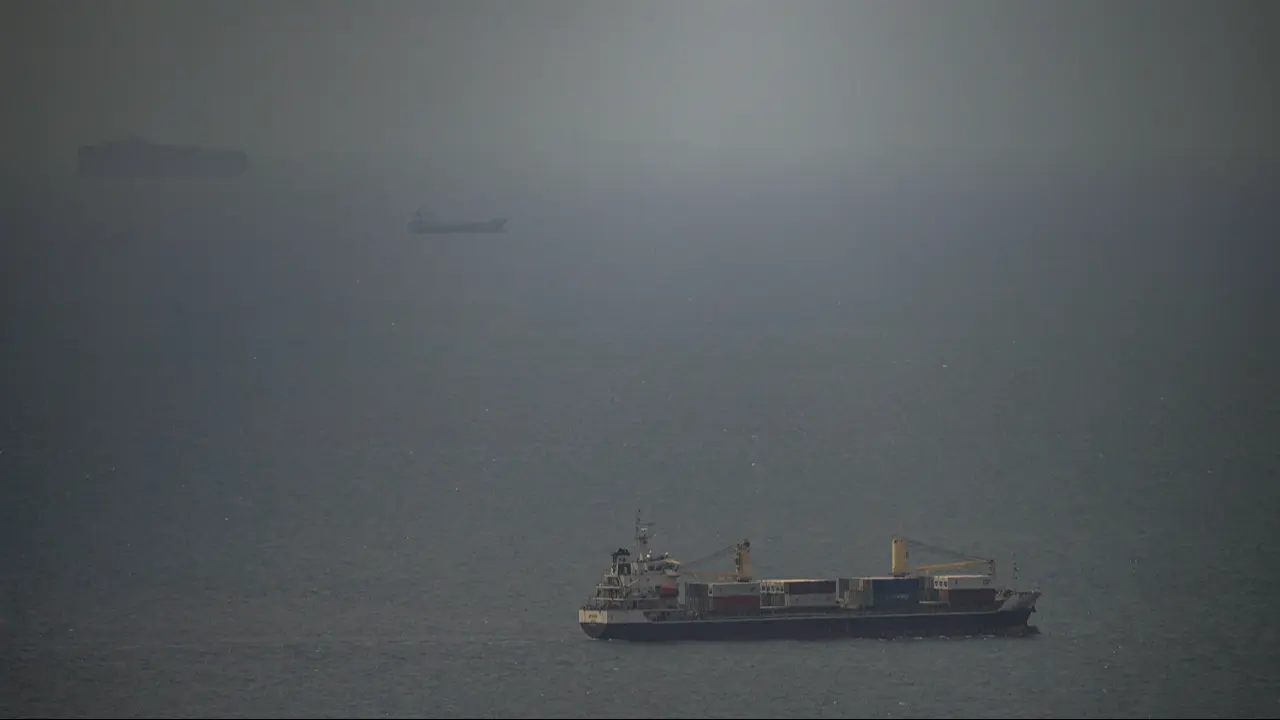
US-Israel-Iran war highlights: Global oil fears rise as Hormuz tensions escalate
