
World leaders, including those from the G7, along with senior US lawmakers, welcomed a memorandum signed between the United States and Iran, with supporters describing it as a breakthrough that could reopen the Strait of Hormuz, ease regional tensions and advance negotiations over Tehran’s nuclear programme.
The White House said President Donald Trump and Vice President JD Vance had secured a Memorandum of Understanding with Iran that would ensure Tehran “will never obtain a nuclear weapon”, reopen the Strait of Hormuz to free navigation and create a framework for future diplomacy.
A joint statement from G7 leaders welcomed what it called “the breakthrough and the opportunity that currently exist in the Middle East”, saying the agreement provided “an historic opportunity to prevent Iran from acquiring any nuclear weapon and tackling the threats related to its regional and ballistic activities”. The leaders said they were ready to support its implementation.
British Prime Minister Keir Starmer described the accord as “a hugely important step forward in ending the war, ensuring regional stability and re-opening the Strait of Hormuz”. He congratulated Trump and mediators from Pakistan, Qatar and other countries involved in the effort.
European Commission President Ursula von der Leyen said the agreement should mean “a definitive end to Iran’s nuclear programme”, adding: “The Strait will reopen. Oil prices are falling. And that’s how diplomacy delivers.”
French President Emmanuel Macron said the agreement “paves the way for lasting peace and allows the reopening of the Strait of Hormuz”, while German Chancellor Friedrich Merz called it “an opportunity—for the stability of the region and for the global economy”.
Japanese Prime Minister Sanae Takaichi welcomed the declaration of a cessation of hostilities and said it was important that “free and safe navigation in the Strait of Hormuz be promptly resumed”. She also expressed hope that future negotiations would lead to a final settlement of Iran’s nuclear issue.
Qatar’s Ministry of Foreign Affairs welcomed the signing and said it reflected both sides’ commitment to resolving differences through negotiation and peaceful means while promoting regional stability and economic growth. Switzerland likewise described the memorandum as “an important step toward de-escalation in the region”.
The United Nations also welcomed the development. A spokesman for Secretary-General António Guterres said the agreement, which provides for an immediate and permanent ceasefire, the reopening of the Strait of Hormuz and a framework for further negotiations, represented “a critical step towards the peaceful settlement of the conflict”.
At home, Republican lawmakers broadly backed the accord. Senate Republican Conference Chairman John Barrasso said Trump had brought Iran to negotiations “from a position of American strength”, while Senator Lindsey Graham called the signing “an essential step” that could help create “a pathway to peace well beyond the Iranian conflict”. Senator Rand Paul said: “This war must end. I stand with President Trump on peace.”
House Republicans echoed that message. Representative Robert Aderholt said the deal would reopen the Strait of Hormuz and require Iran to abandon its nuclear programme, while Representative Andy Harris described it as “a remarkable day for America and the world”.
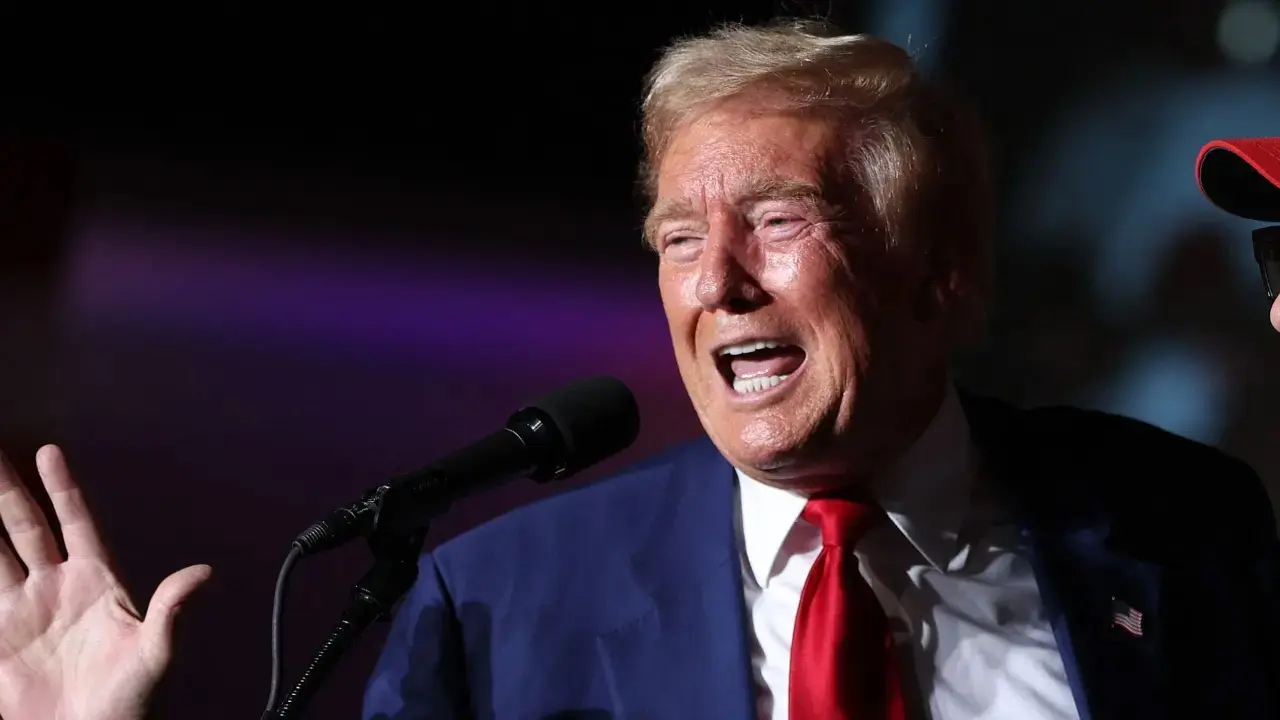
World leaders at G7 welcome Trump-brokered US-Iran deal to ease regional tension
